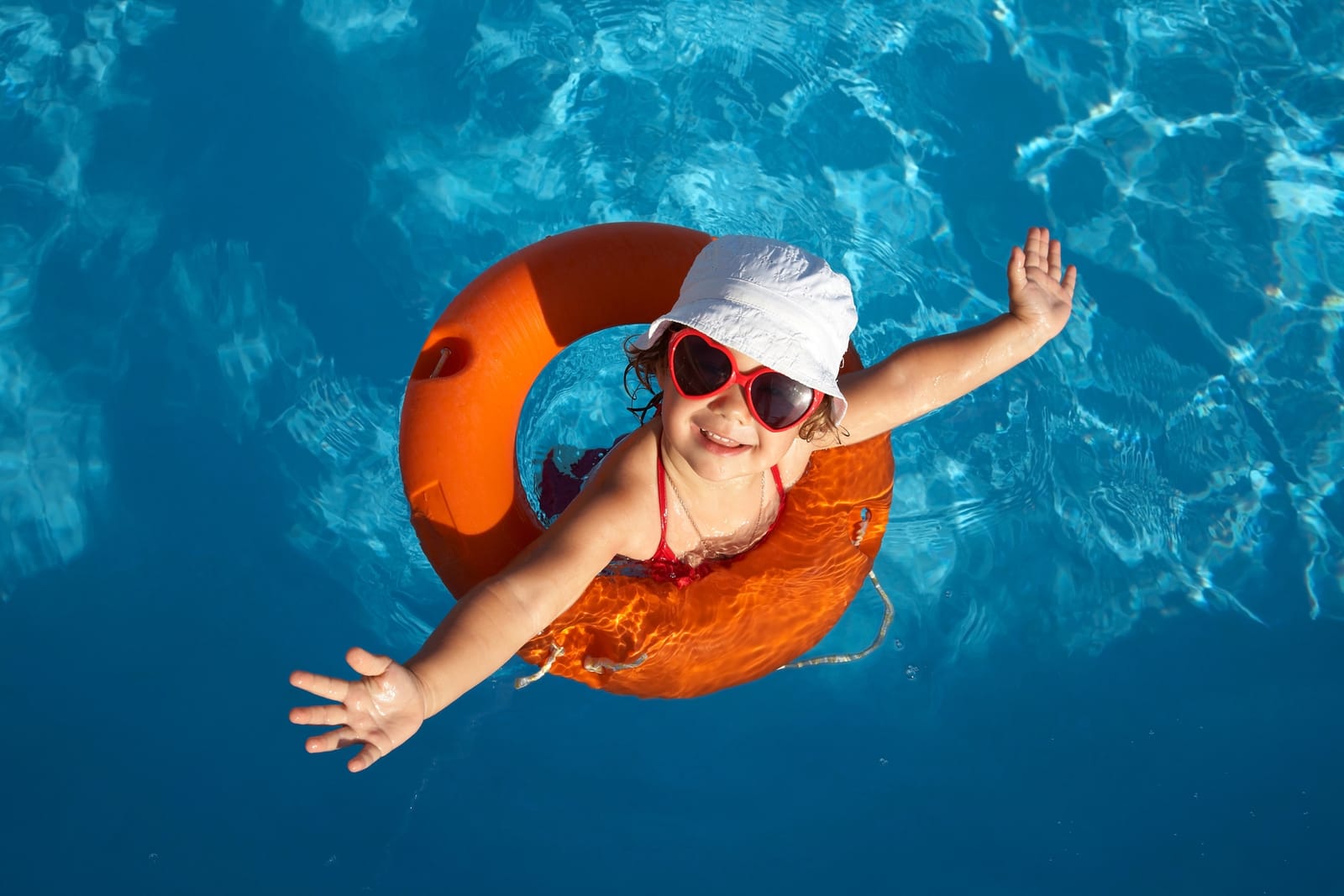
Water brings joy, sport and fun. With knowledge, attention and prevention we avoid accidents. Prevention, composure and the correct response save lives.
Approximately 300 drownings occur in Greece each year. Drowning develops quickly and requires an immediate response. Also watch for secondary drowning — coughing or difficulty breathing hours later requires medical attention.
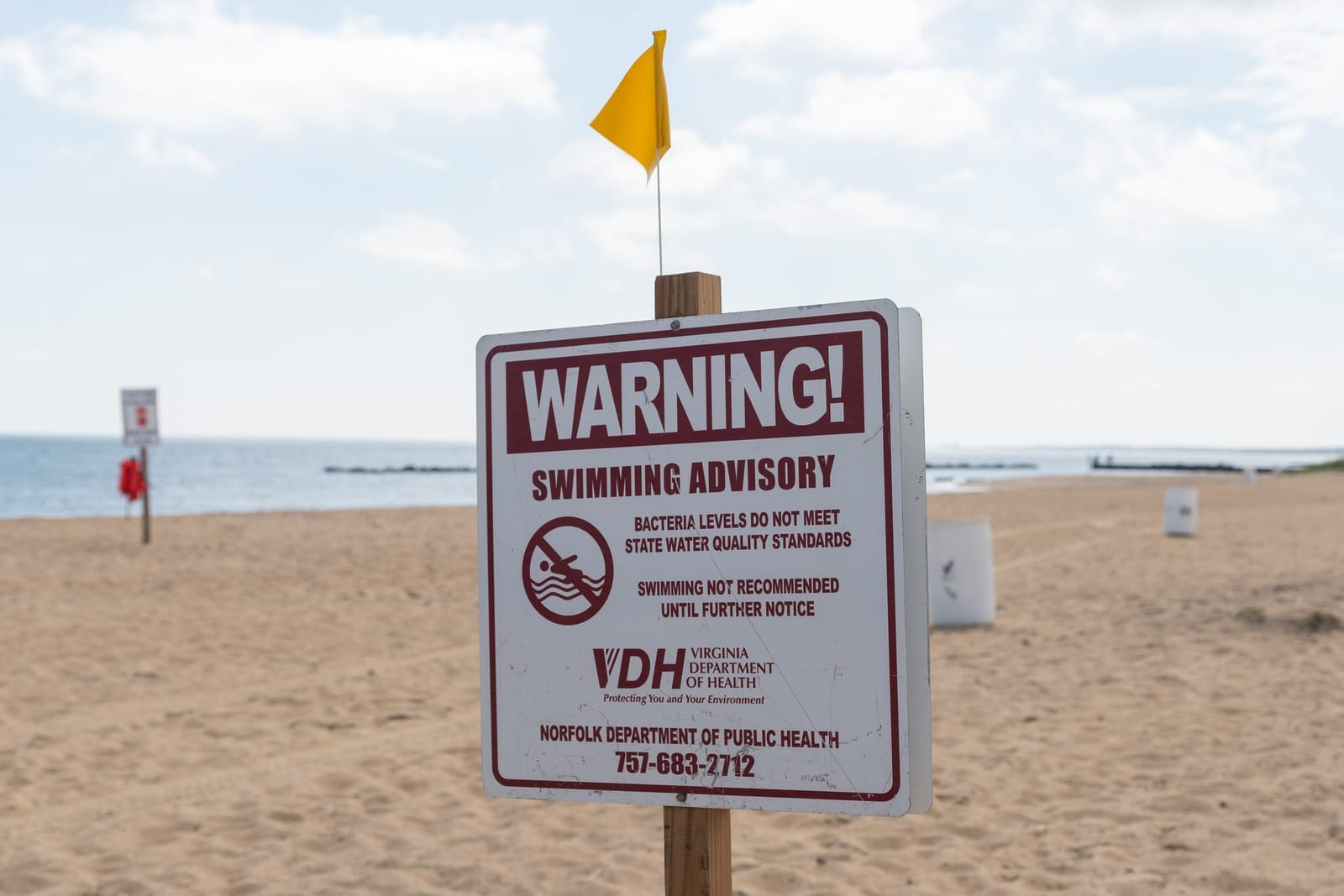
Avoid swimming immediately after eating or when you are feeling unwell. Use sunscreen, a hat and drink water. Children who cannot swim well must always wear a life jacket.
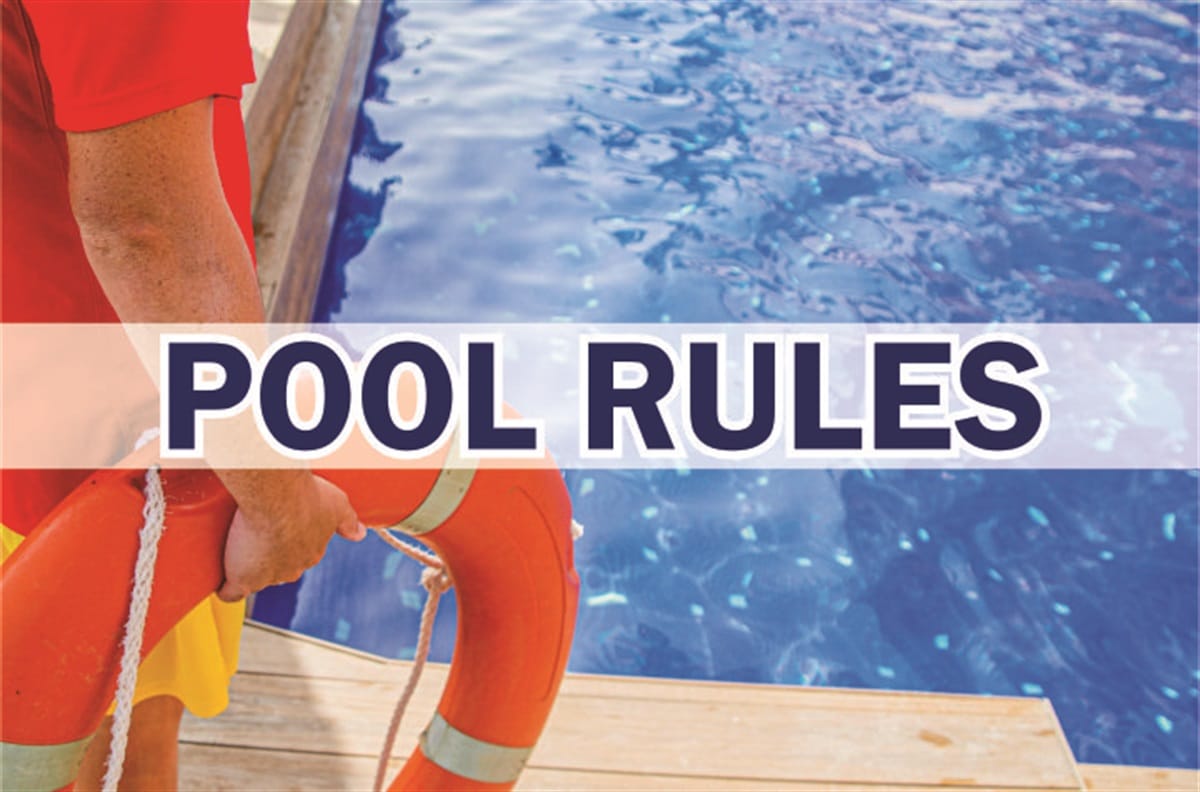
Diving in shallow water and running around the pool are prohibited. Do not enter the pool with open wounds. Children must always be supervised by an adult.
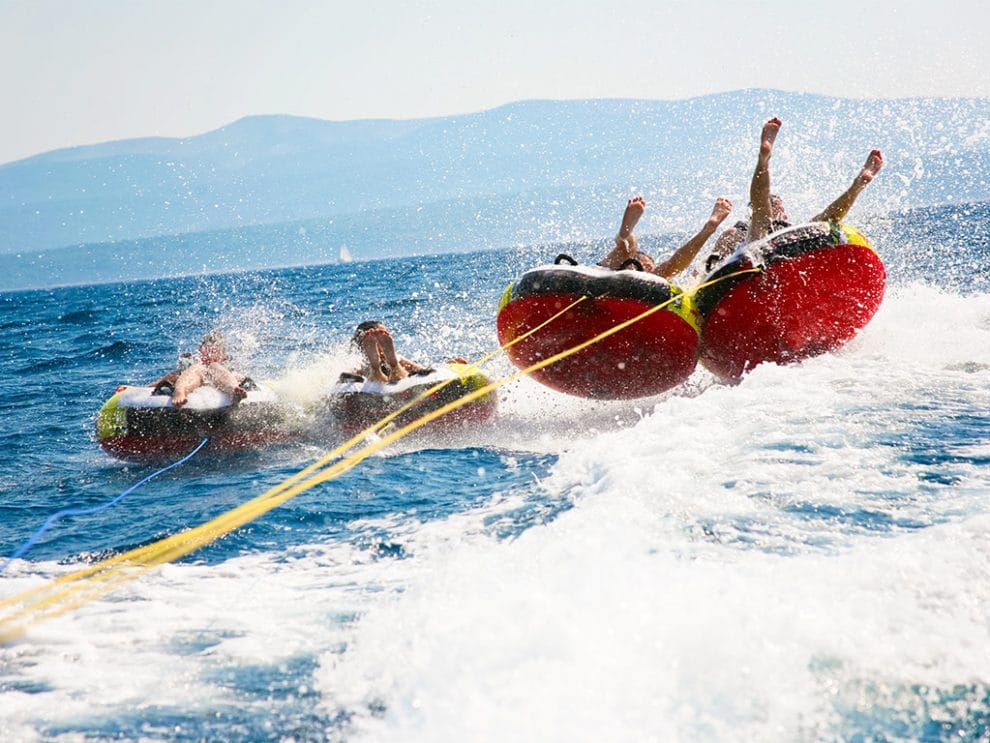
Always wear a life jacket on a boat and remain seated. Choose licensed water sports operators with proper supervision. Never go near a running engine.
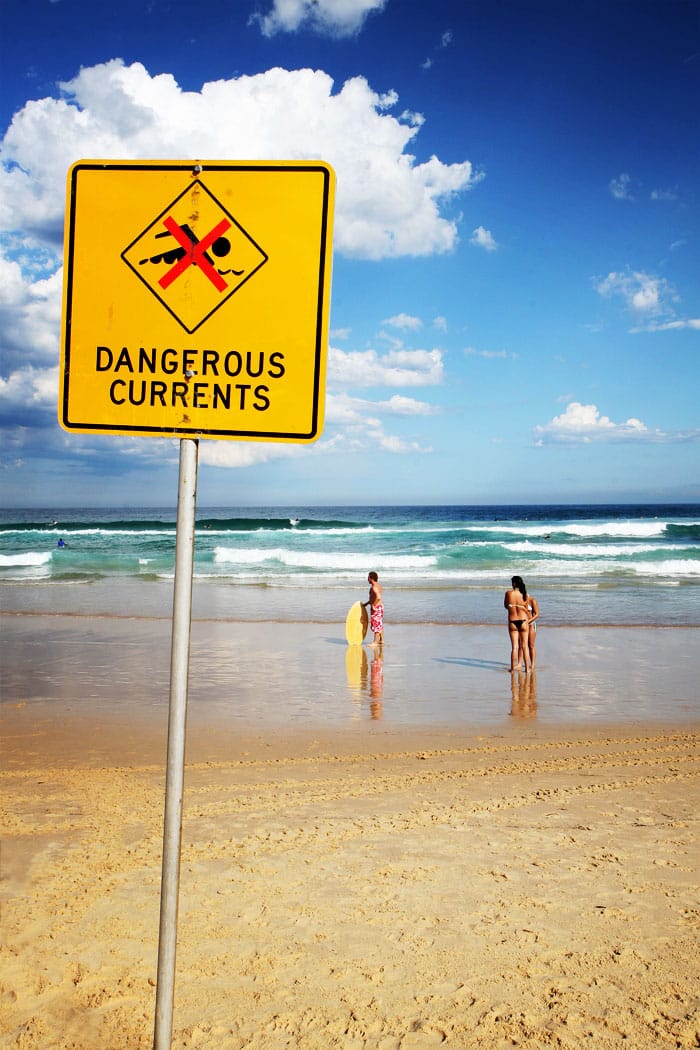
If you become tired, float on your back and breathe calmly. In a rip current, swim parallel to the shore — never against it. Use any floating object as an aid.
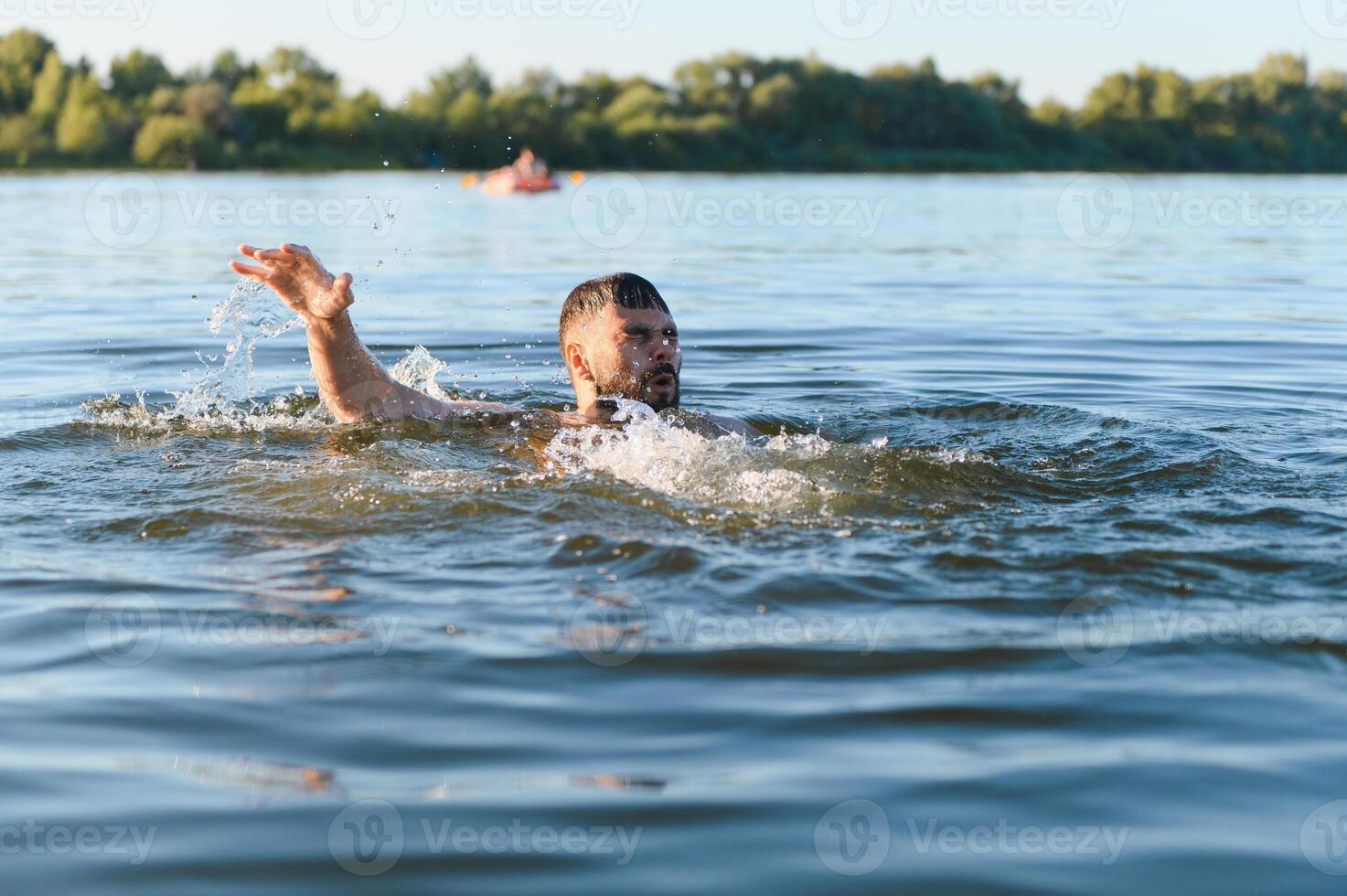
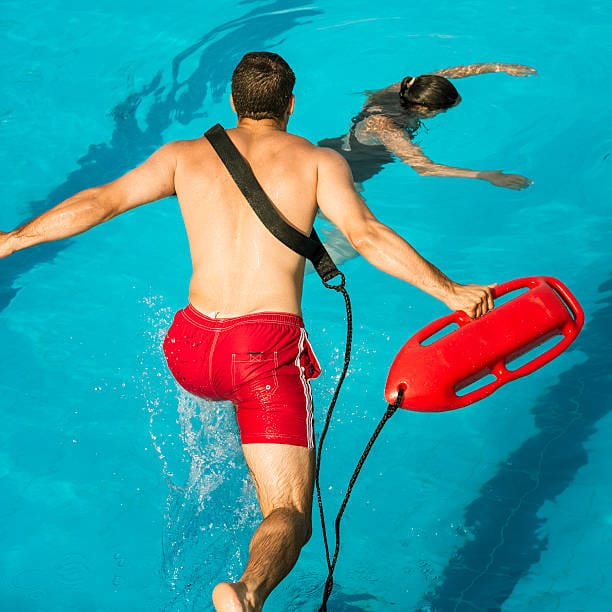
Shout "person in the water" and immediately alert a lifeguard. Throw a life ring, ball or rope — do not jump in without preparation. Avoid physical contact with the victim so as not to put yourself at risk.
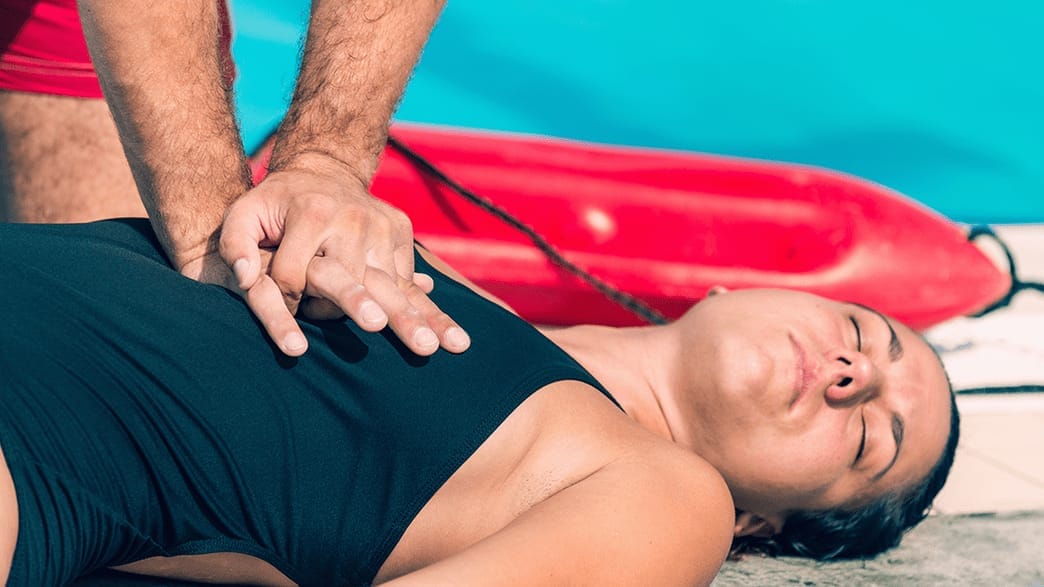
If the person is breathing, place them in the recovery position. If there is no breathing, begin CPR immediately: 30 chest compressions and 2 rescue breaths. A fast response is critical.
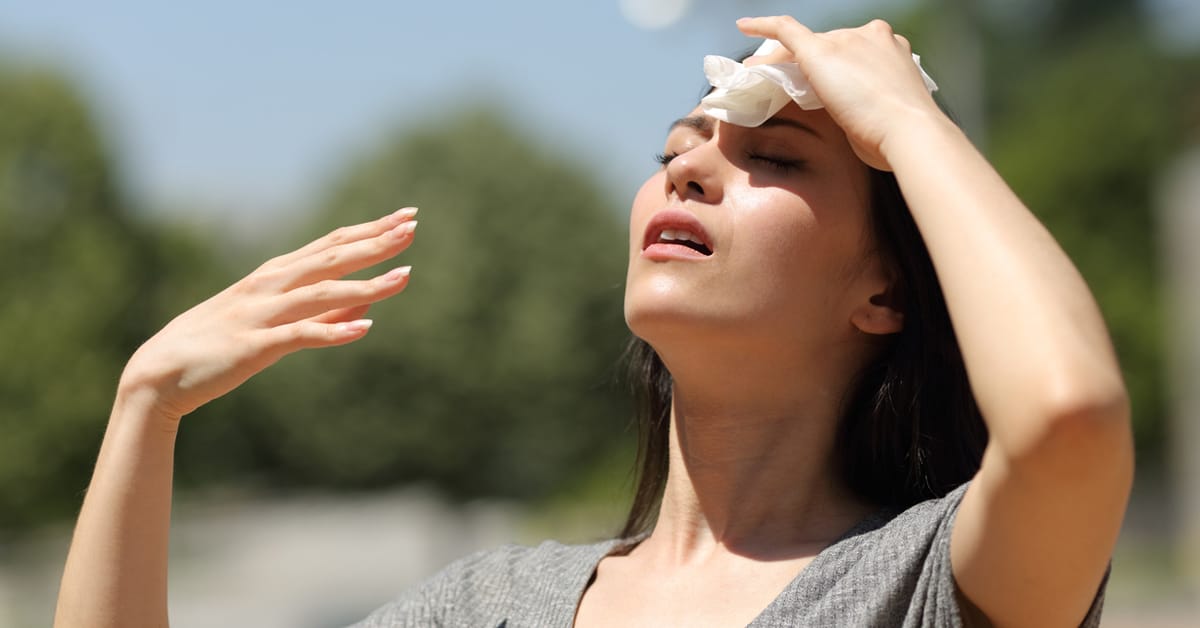
Avoid prolonged sun exposure between 12:00–15:00 and stay hydrated. For hypothermia, remove wet clothing and warm gradually. Do not reheat quickly, massage the limbs or consume alcohol.
Jellyfish, sea urchins and dangerous fish exist in Greek waters. Clean the area calmly and avoid panic. Seek medical help if allergic symptoms, shortness of breath or dizziness appear.